
Back pain can drain your energy, limit what you do, and make simple things feel hard. When it keeps coming back, it is easy to feel stuck between taking more pain pills or thinking about surgery. There is another path that focuses on teaching your body how to move well again, so you can keep up with work, family, and the active Orange County lifestyle.
Unlocking Neuromuscular Rehabilitation for Back Pain in Orange County
In this article, we will explain how neuromuscular rehabilitation in Orange County can help retrain your brain and body to work together again. We will walk through why back pain often lingers, what neuromuscular care really looks like, and how an integrated plan can help you stay active through fall sports, school events, and the busy year-end work season.
Move Freely Again with Targeted Neuromuscular Care
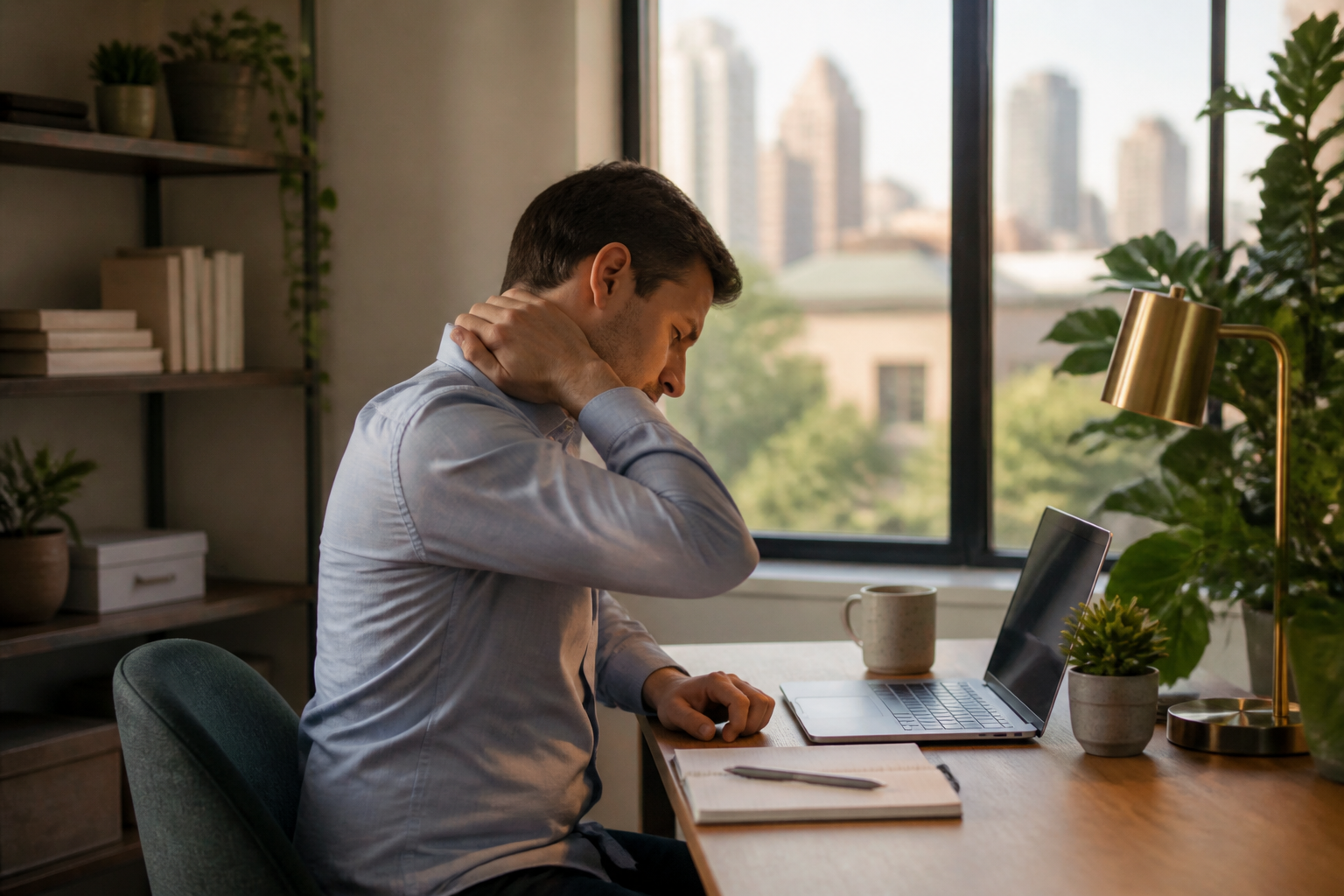
Back pain is common here. Long freeway commutes, long hours at a desk, weekend sports, and caring for family can all add up. When your back hurts, you may start avoiding things you enjoy, like going to the beach, playing golf, or walking around the neighborhood.
Neuromuscular rehabilitation is a modern, evidence-informed way of helping your brain and body talk to each other better. Instead of only calming pain, we focus on how your muscles fire, how your joints move, and how your nervous system reacts to stress and motion. The goal is not just to feel better for a few days, but to move better so your back can handle real life again.
Late summer is a smart time to think about this. Fall sports, school routines, weekend trips, and year-end work deadlines are just around the corner. Preparing your spine and nervous system now means you are less likely to get sidelined later when your schedule fills up.
Why Back Pain Persists Even After Rest and Medication
Many people rest, take pain pills, try some stretching, and still have back pain that keeps coming back. Often, the deeper issue is neuromuscular dysfunction, which means the way your nerves and muscles work together has changed.
Common drivers of lasting back pain include:
• Imbalanced muscle firing, like one side of your back or hips working harder than the other
• Poor movement patterns, such as bending or twisting the same stressful way over and over
• Protective muscle guarding, where your nervous system keeps muscles tight to defend a sensitive area
Chronic sitting, past injuries, and ongoing stress can slowly “rewire” how your brain and spinal cord control movement. Your body leans on quick fixes and compensations, which load your joints, discs, and ligaments in ways they are not built to handle all day.
Passive care, such as pain pills, ice, massage, or generic exercise printouts, can feel good for a short time. But if your brain and muscles are not retrained, the same pattern tends to come back. Restorative movement, targeted activation of the right muscles, and care that works with your nervous system are key pieces for breaking this cycle.
What Neuromuscular Rehabilitation in Orange County Really Means
Neuromuscular rehabilitation means carefully assessing and retraining how your nerves, muscles, and joints coordinate movement, balance, and stability. The aim is to lower pain, improve control, and reduce your chance of another flare-up.
In a typical plan for neuromuscular rehabilitation in Orange County, you might see:
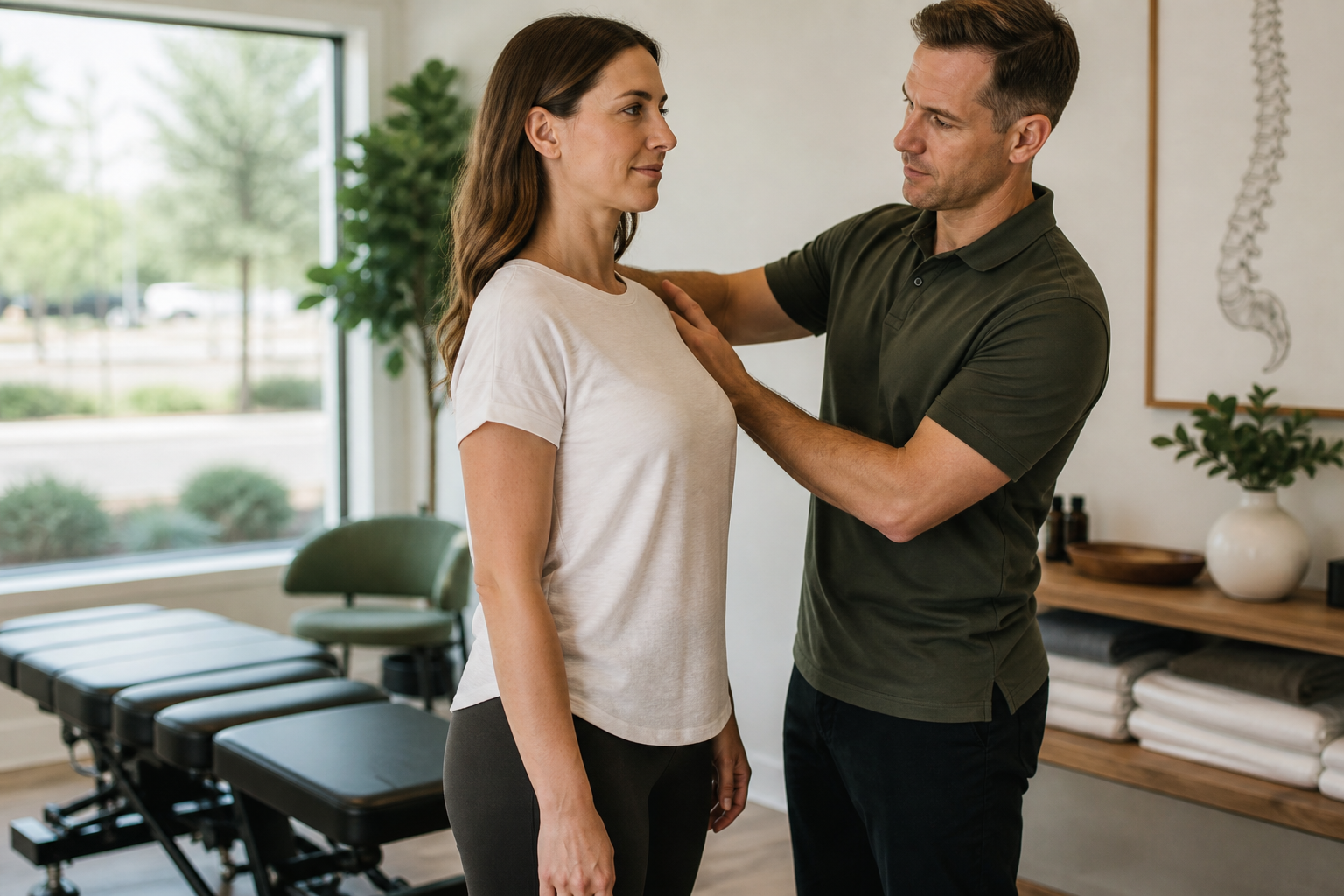
• Detailed movement analysis, watching how you bend, twist, walk, and squat
• Muscle activation testing, to see which muscles are too “lazy” and which are overworking
• Individual corrective exercises, built for your body and your daily demands
In an integrative clinic, chiropractic adjustments, soft-tissue work, and neuromuscular re-education can all be done in one visit. This allows for:
• More precise changes to how your joints move
• Direct release of tight, overworked muscles
• Immediate practice of new movement patterns while the body is more open to change
Here in Orange County, we also think about local activities. Programs are often tailored for:
• Surfers who need strong hips and mobile spines
• Golfers who need rotation without jamming the low back
• Pickleball and tennis players who need quick, safe changes of direction
• Runners who need stable hips and ankles to protect the spine
• People with long drives on the 5 or 405, who sit more than they want to
Inside a Functional Restoration Institute Back Pain Plan
On a first visit for back pain, we begin with a full conversation about your story. We want to know how long the pain has been around, what makes it worse, and what you have already tried. Then we blend hands-on orthopedic and neurologic tests with movement screens to see how your spine, hips, and core are working together. Sleep, stress, and general health are part of the picture too, because they affect how your body heals.
A typical back pain care plan can include:
• Specific spinal and joint adjustments to restore motion and reduce irritation
• Targeted neuromuscular exercises for deep core and hip control
• Balance and stability drills that teach your body how to react smoothly
• Home strategies that reinforce the new patterns you learn in the clinic
Our model brings together chiropractic care, neuromuscular rehabilitation, and functional medicine tools that look at issues like inflammation, blood sugar balance, and hormones. When your body is supported from the inside and outside, it is in a better place to heal tissues and hold the gains you make.
Care usually progresses in stages, starting with calming pain and irritation, then rebuilding strength and mobility, and finally working on confidence. We want you to get back to hiking local trails, flying without worrying about your back, or getting down on the floor with kids and grandkids without holding your breath.
Avoiding Unnecessary Back Surgery with Root-Cause Care
Want a deeper dive? Read our full guide on Sciatica Treatment Austin TX.
Book an appointment