
Learn if a South Austin chiropractor can support your teen with scoliosis treatment in Austin, with gentle care plans for posture and pain relief
How Gentle Chiropractic Can Support Your Teen’s Scoliosis
Scoliosis in teens can feel scary for a parent. You may notice a small curve in your child’s spine and then start worrying about pain, sports, and what this means for their future. It helps to know that many teen curves are mild and there are gentle, natural options that can support the care your child already receives.
Scoliosis is a sideways curve in the spine that often shows up during growth spurts, usually around middle school or high school. The curve can be small or more noticeable and may affect how your teen stands, moves, and feels in their body. Parents often worry about:
- Back or neck pain
- Poor posture and slouching
- Whether their teen can safely play sports
- Changes in appearance and self-confidence
- Long-term spine health as they age
A South Austin chiropractor can be one part of a conservative care team for scoliosis. Chiropractic care focuses on gentle, low-force work with the joints, muscles, and posture. It does not replace medical care, bracing, or monitoring, but it can fit alongside those approaches to help with comfort, movement, and body balance.
Understanding Teen Scoliosis Before Choosing Care
Before adding any type of scoliosis treatment in Austin, it is important to understand what is going on with your teen’s spine. The most common type in kids and teens is called idiopathic scoliosis. That means there is no clear single cause. It often shows up:
- During rapid growth between ages 10 and 16
- In kids with a family history of scoliosis
- Around the time of puberty and growth spurts
Most teen scoliosis is mild. Many parents first notice small clues at home or during a sports or school physical. Common signs include:
- One shoulder looking higher than the other
- A shoulder blade that sticks out more on one side
- Hips that look uneven or one pant leg hanging lower
- Shirts or dresses that twist or hang crooked
- A slight lean to one side when standing
Scoliosis is usually confirmed with a physical exam and, if needed, X-rays. Doctors often use a measurement called the Cobb angle to describe how much the spine curves. Regular checkups help track whether the curve is staying the same, getting worse, or improving with care. Having that clear diagnosis and medical oversight first is very important before adding any extra support like chiropractic.
How Chiropractic Fits Into a Teen’s Scoliosis Plan
Chiropractic care cannot erase a scoliosis curve, and it is important to be honest about that. The goal is different. With thoughtful care, many teens find it is easier to live well with their curve. Chiropractic may help your teen:
- Feel less muscle tension and soreness
- Move more comfortably in sports and daily life
- Support better posture and body awareness
- Work on balance and coordination
A South Austin chiropractor caring for teens with scoliosis will usually focus on gentle, low-force adjustments that respect a growing spine. This is not about “cracking” joints hard. It is about small, specific changes to help the spine, hips, and ribs move a bit more smoothly. Care may also include:
- Soft tissue work for tight muscles along the spine and hips
- Gentle mobility and stretching work for stiff areas
- Guidance on simple home exercises from the care team
Collaboration is an important part of scoliosis treatment in Austin. Chiropractors can work alongside pediatricians, orthopedists, and physical therapists. When needed, they can suggest follow-up with the medical team if bracing, more imaging, or even a surgical consult might be appropriate. The goal is to support the plan that is already in place, not replace it.
Fall Sports, Backpacks, and Your Teen’s Spine Health
Back-to-school season in South Austin often means heavier backpacks and busy afternoons with sports, band, or cheer practice. For a teen with scoliosis, these routines can add extra stress to a curved spine if no one is paying attention to how their body is handling it.
Scoliosis can show up in sports as:
- Faster fatigue on one side of the body
- Extra soreness after practice, especially in the low or mid-back
- One leg or hip feeling “different” during running or jumping
- Trouble keeping good form as practice goes on
Chiropractic care can help support balance, flexibility, and safer movement patterns so your teen can enjoy the activities they love. Alongside professional care, it also helps when parents and teens focus on some simple habits:
- Choose a backpack with two wide, padded straps
- Wear the backpack on both shoulders, not just one
- Work with coaches on good warm-up and cool-down routines
- Keep up with hydration, especially during hot practices and games
- Watch for changes in posture or new pain and share these with the care team
When small problems are addressed early, they are less likely to become bigger issues that keep your teen out of activities.
What to Expect at a Scoliosis Visit in South Austin
If you bring your teen to a chiropractor for scoliosis support, the first visit should feel calm, clear, and focused on listening. You can expect a detailed conversation about your teen’s health history, including when the curve was first noticed, any pain they feel, and how scoliosis affects school or sports. The chiropractor will usually look at:
- Posture from the front, side, and back
- How your teen walks, bends, and moves
- Areas of tightness or tenderness in muscles and joints
If your teen has had X-rays or has a diagnosis from a pediatrician or specialist, that information becomes an important part of the visit. The chiropractor should respect those findings and work within the plan already given by the medical team.
Care plans are customized based on your teen’s curve, pain level, and goals. That might include:
- A set number of initial visits to see how their body responds
- Gentle, low-force adjustments suited for teens
- At-home stretches or strengthening, often in coordination with other providers
- Tips for school setup, backpack use, and sports positions
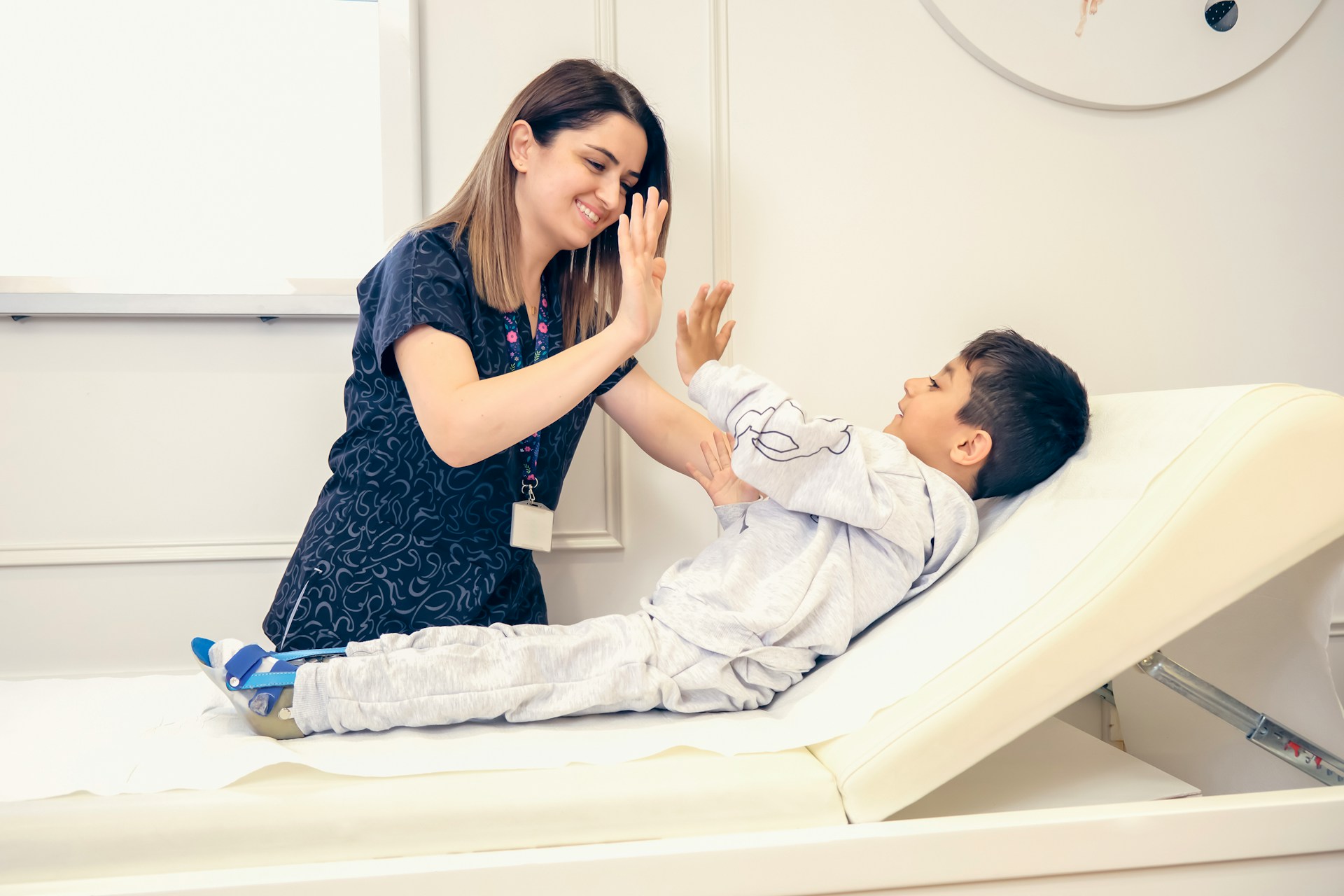
A teen-friendly approach matters. Many kids are nervous about “getting adjusted.” A good chiropractor will explain each step in simple language, ask for your teen’s feedback, and invite them into decisions about their own body. The goal is to create a space where your teen feels supported, respected, and heard.
Next Steps to Support Your Teen’s Spine Naturally
As the school year moves along and activities stack up, it is easy to brush off your teen’s back pain or posture changes as “just growing.” Still, if you are noticing uneven shoulders, frequent complaints of soreness, or changes in how clothes fit, it may be time to take a closer look at their spine.
At Optimal Wellness & Chiropractic in South Austin, we welcome conversations with parents who want gentle, natural support as part of their teen’s scoliosis care. Before any visit, it can help to quietly observe your teen’s posture at home, gather records from school or sports physicals, and write down questions you want to ask. With the right team around your teen, scoliosis does not have to control their story. It can simply become one part of a healthy, active life that feels more comfortable and confident over time.
Take The Next Step Toward Lasting Scoliosis Relief
If you are ready to address your curve with a customized, conservative approach, our team at Optimal Wellness & Chiropractic is here to help. Start by exploring how our chiropractic care, exercises, and ongoing support work together as part of our scoliosis treatment in Austin. Then reach out so we can review your symptoms, answer your questions, and design a plan tailored to your needs. To schedule your first visit or request more information, simply contact us.
Want a deeper dive? Read our full guide on Sciatica Treatment Austin TX.
Book an appointment